Uptown · Neighborhood guide
Harlem
Brownstone grandeur, deep culture, and Manhattan's most real value story
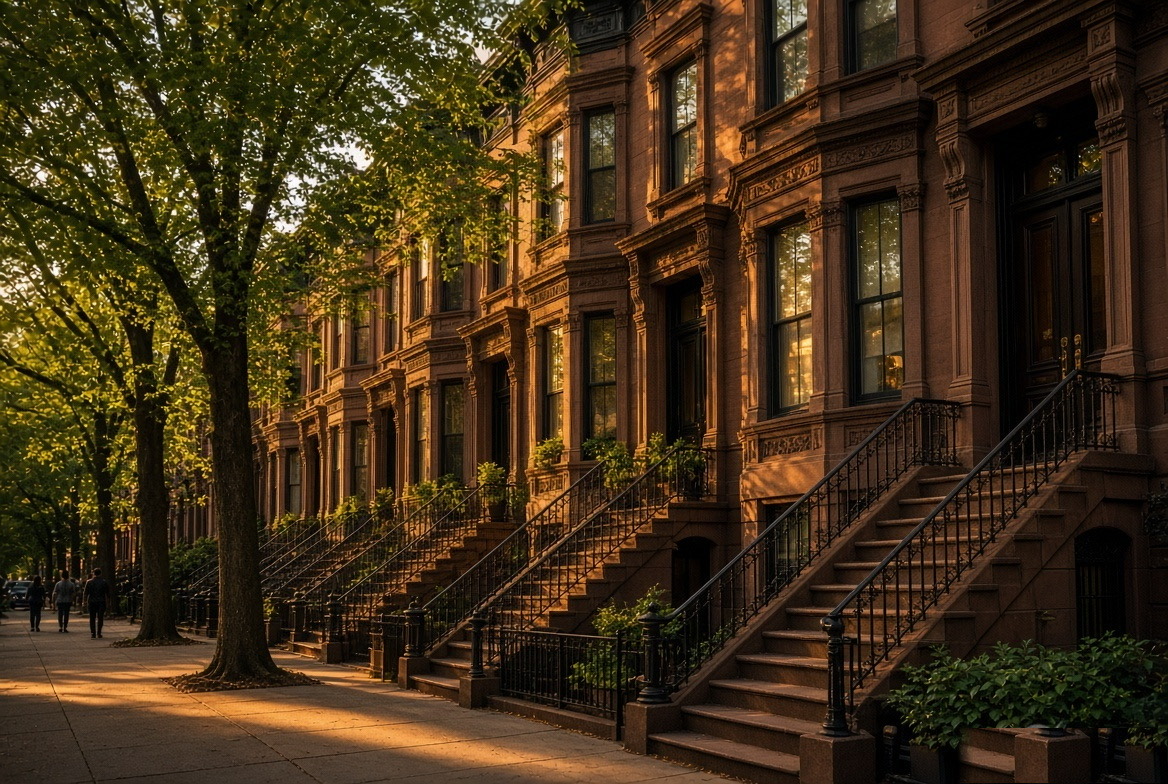
- Housing stock
- Historic brownstones, new condos on the avenues, pre-war co-ops
- Price feel
- The accessible end of Manhattan ownership
- Best for
- First-time buyers · Brownstone dreams · Culture and community
Harlem is where Manhattan ownership stays within reach: the price per square foot runs far below the neighbourhoods downtown, and what it buys — full-floor brownstone apartments, actual houses, new-build condos — often embarrasses what the same money gets below 96th Street. It’s also one of the few Manhattan areas where buying a whole townhouse is a realistic personal project rather than a nine-figure trophy.
Living here
The cultural depth is the draw as much as the pricing: the Apollo, historic churches and jazz rooms, Marcus Garvey and St Nicholas parks, a restaurant scene that’s been compounding for two decades. Central Harlem’s 2/3 express gets you to Midtown in minutes; the A/B/C/D serve the west; the 4/5/6 run the east side.
The housing stock
Three distinct markets: the landmark brownstone rows (some beautifully restored, some still project-grade — inspect hard), new condo development along Frederick Douglass and Lenox where much of Manhattan’s accessible new-build inventory now sits, and solid pre-war co-ops, including HDFC buildings with income caps and below-market prices — read those rules carefully before falling in love.
Who it suits
First-time buyers priced out downtown who still want Manhattan; brownstone buyers with renovation appetite; anyone who values neighbourhood identity over proximity to a Whole Foods (though those arrived too). The value gap versus the rest of the borough is the fundamental — it has narrowed for twenty years and the direction of travel is unambiguous.